
Hey! 👋 I’m Aleksandr, frontend engineer at Evil Martians. I have seven years of developer experience, five of them as a Martian.
I originally studied biotechnology, switched to bioinformatics, and finally programming. At my previous company, we were developing software to help doctors analyze genetic analyses. I became interested in the software development part of the job, and now I’m here.
I mostly enjoy building plugins and libraries. I’m also interested in how tools fit into real-world projects and teams.
Major gaming platform
Problem
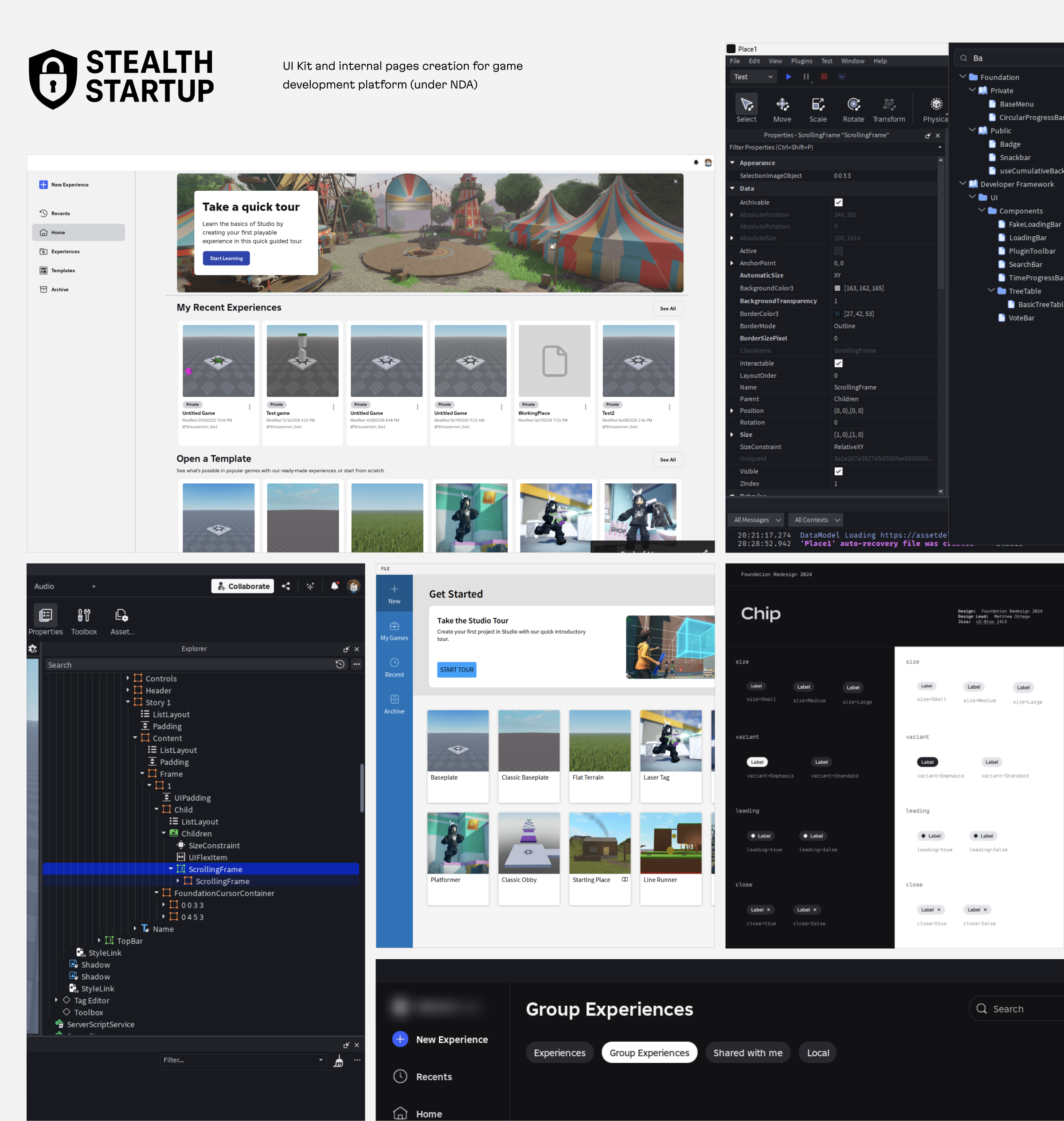
We needed to modernize and standardize the creator studio’s internal UI component library, but the company didn’t have the resources to handle it in-house. Collaboration between designers and developers was also less than ideal, which caused delivery delays.
Solution
We built a new version of the UI library in Luau React and used it to rebuild several plugins, facilitating the conversation between designers and engineers. We also set up infrastructure for the new creator studio plugins, and participated in the development of the Luau Markdown renderer.
Results
- Delivered a new UI Foundation Library and integrated it into the creator studio
- Improved cross-team collaboration
- Increased team velocity and accelerated feature releases

Stackblitz | bolt.new
Problem
StackBlitz’s founders set out to move web development entirely into the browser to fix a fragmented and slow developer workflow. Early AI coding tools worsened this problem by producing static snippets that didn’t run, couldn’t self-verify, and required heavy infrastructure.
Solution
StackBlitz, together with Evil Martians, combined its browser-based WebContainers with Claude 3.5 Sonnet’s zero-shot code generation to create bolt.new. This is an AI tool that generates and runs code, fixes issues in real time, manages dependencies automatically, and lets users edit and deploy to production directly from the browser.
Results
- $0 → $4M ARR in 4 weeks, with continued exponential growth
- Tens of thousands of new users, usage doubling daily
- 99% reduction in development costs for users
- Full-stack apps built and deployed from prompt to production in minutes

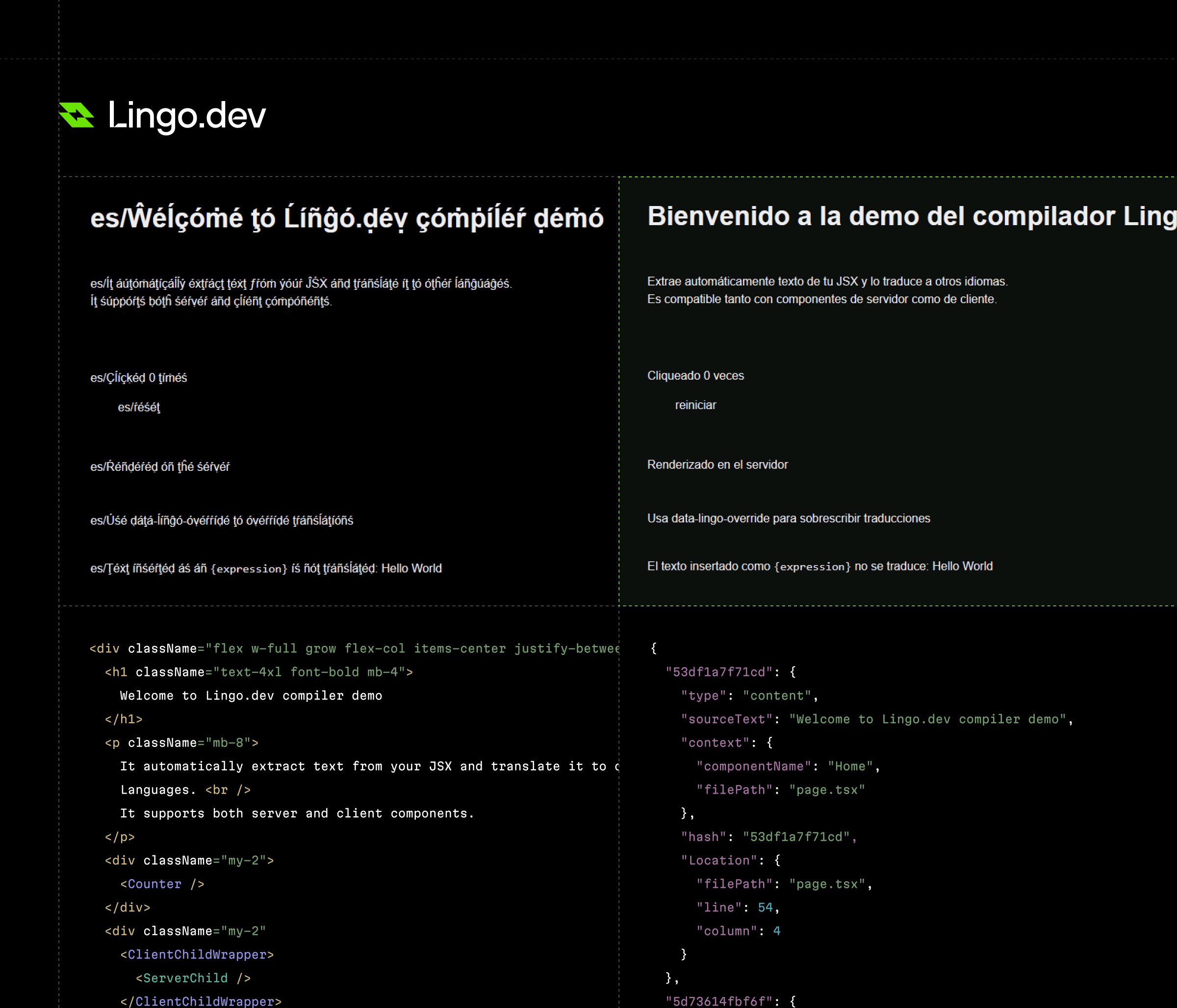
Lingo.dev
Problem
Lingo.dev was facing serious issues with build performance, SSR behavior, bundle size, and developer experience, especially in Next.js, edge environments, and production setups. These weren’t isolated bugs but architectural limitations that threatened adoption.
Solution
We conducted an exploration analysis to identify high-impact improvements while reducing risk. It started with deep compiler internals, AST transformations, and SSR constraints, with tight collaboration to unblock key architectural decisions and refine scope in real time.
Results
- Introduced a stronger localization architecture with page-level translations and improved pluralization for Next.js
- Laid a solid foundation for SSR, edge deployments, and offline-friendly workflows
- Reduced technical risk while improving real-world developer experience
- High client satisfaction, with only non-critical items deferred