Design for devtools















Evil Martians design dashboards, CLIs, SDKs, and docs for people who live inside the tool eight hours a day.
Evil Martians method
Developer tools have no happy path, so we design for the three contexts your users move between: debugging one error, building a feature, and shipping to production. Each one wants different layout patterns and information density. In practice that means radio buttons over dropdowns, sliders with precise text inputs, resizable panels, and sturdy interface. Most engagements start with a two-week design sprint, from first conversation to a design you can test with real developers.
Designing a tool developers live in?
Social proof
HTTPie
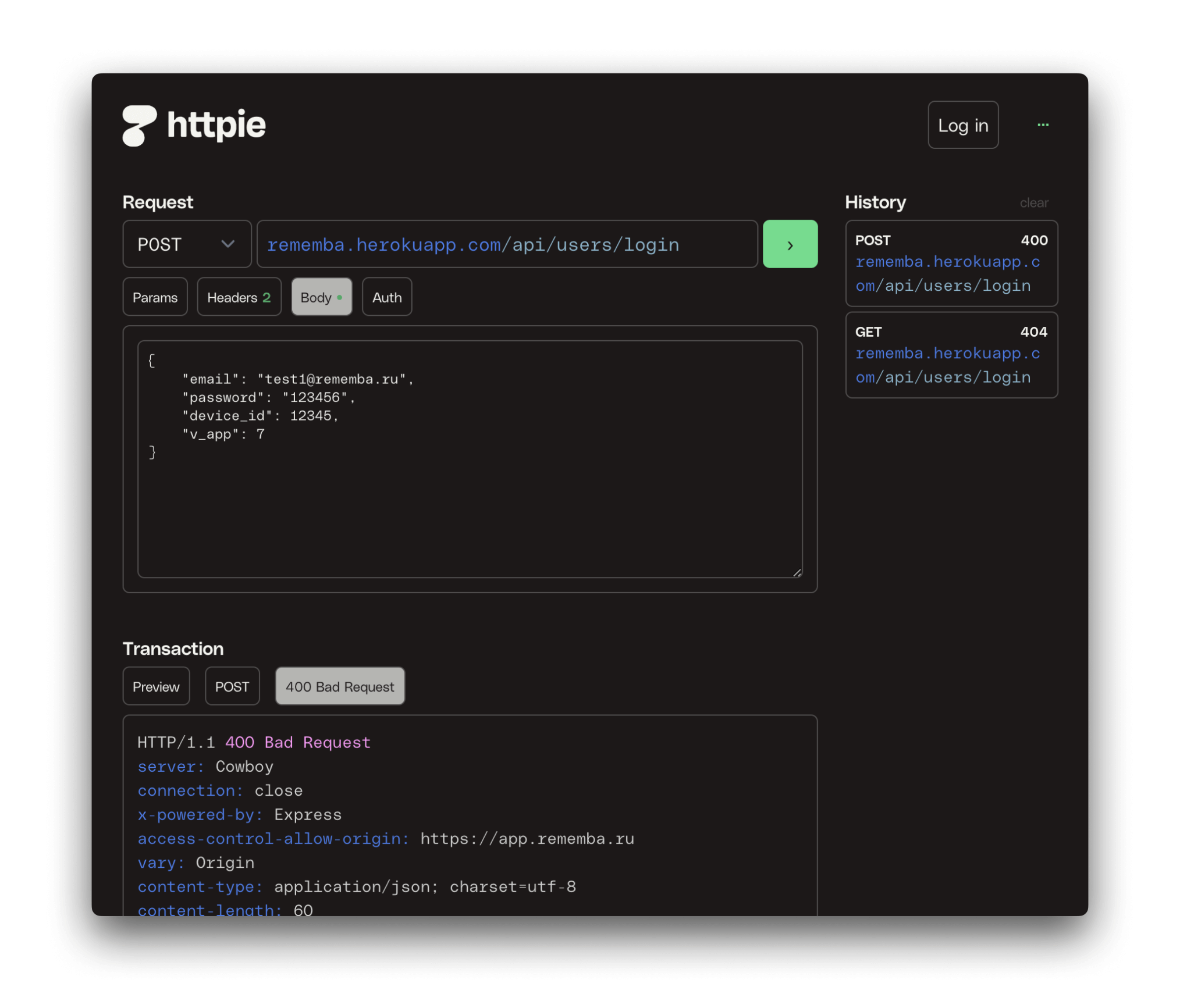
We led product design for HTTPie, the API testing client, and the launch hit 4th Product of the Day on Product Hunt.

Tegon
Tegon is a YC-backed AI-first issue tracker. We gave it a full UI and UX redesign, including how its AI filters behave.
Tegon: AI-powered filters in the redesigned issue tracker
AppSignal
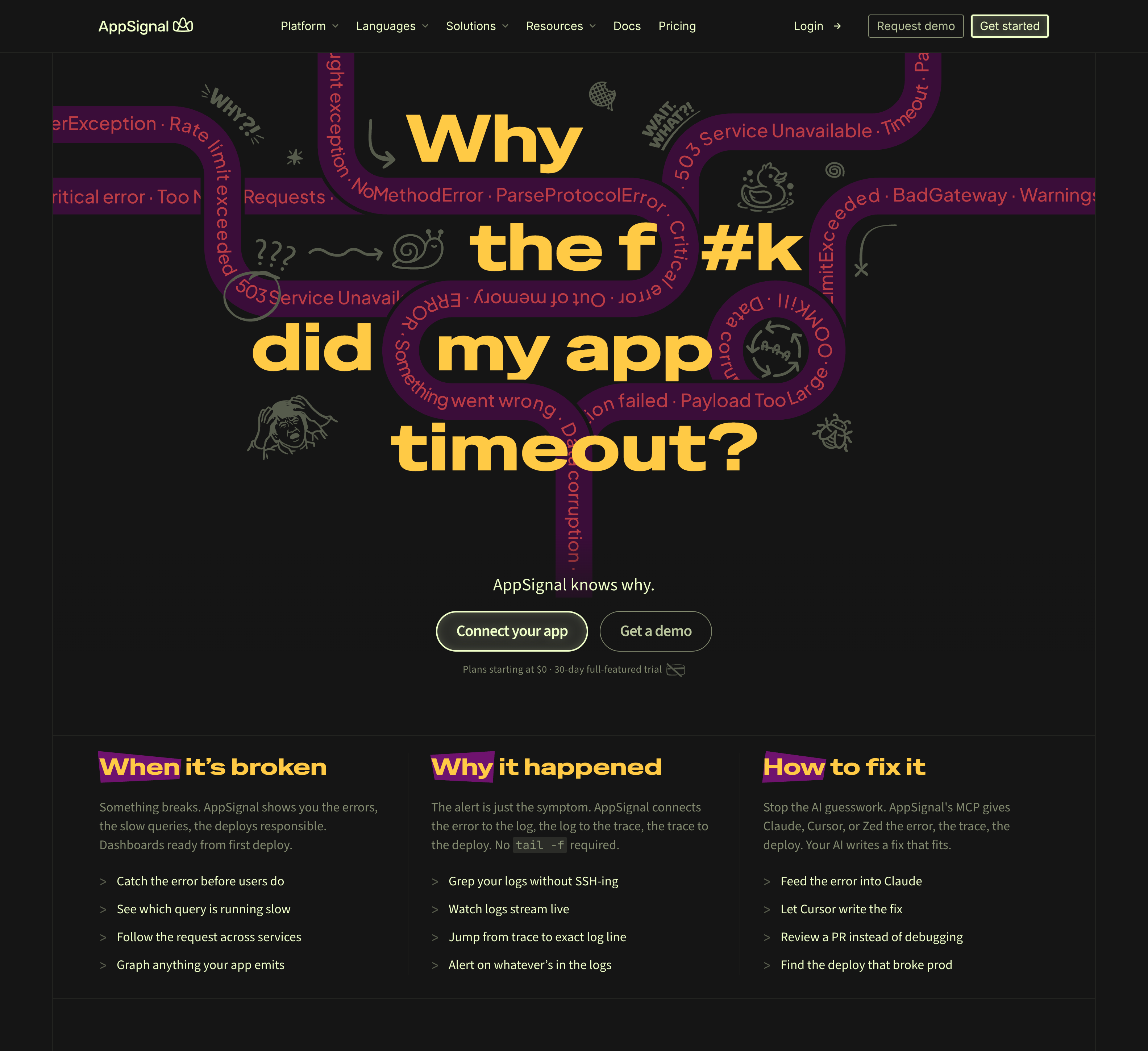
AppSignal is an APM platform used by thousands of engineering teams. We designed their 2026 homepage, built it in code, and shipped it straight into an A/B test against the old site. Activation came out 14% higher.

More teams we designed for
- Teleport: we rebuilt their docs in Next.js and turned them into a customer acquisition channel.
- Tines: the drag-and-drop workflow builder security teams use, designed on the way to unicorn status.
- Ghost Security: a dashboard that groups and prioritizes events visually instead of burying them in tables.
- Quotient AI: a prompt evaluation sandbox for testing LLMs.
- Rootly: product redesign for a YC-backed incident management platform.
- Medplum: a healthcare developer platform designed out of a demo app.